From Citizen Science to Decision-Making for Climate Change Adaptation: Exchange and Reflection in Brussels
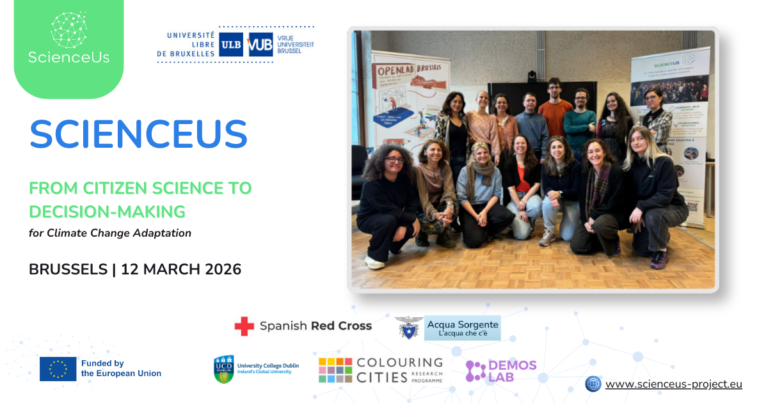
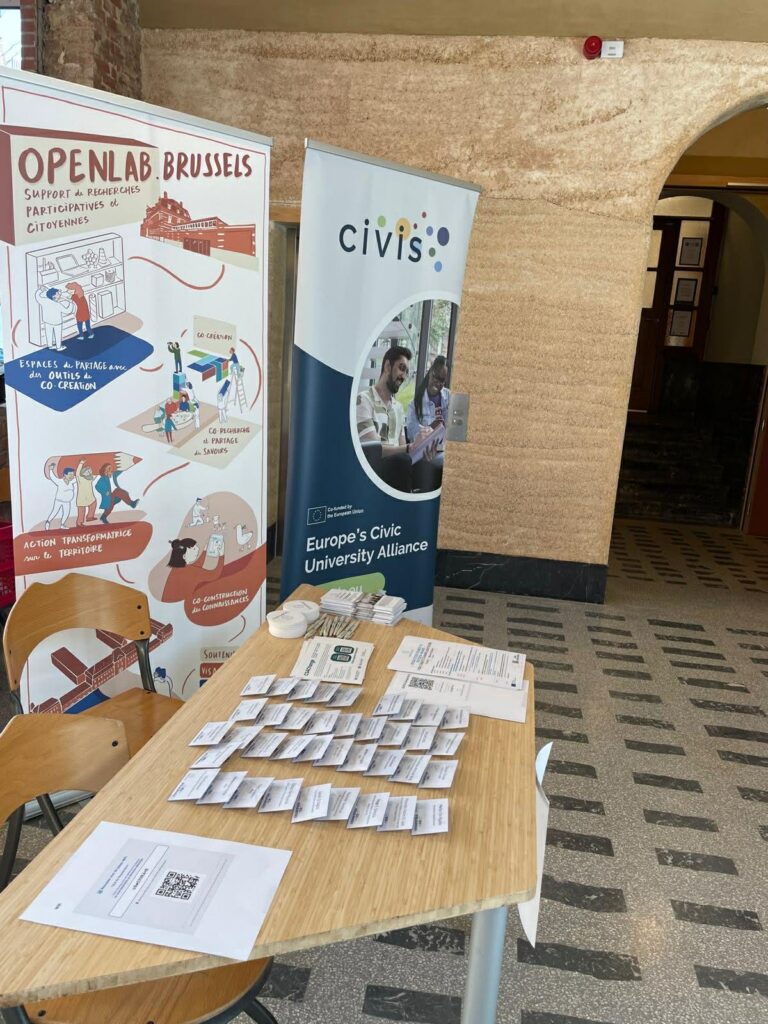
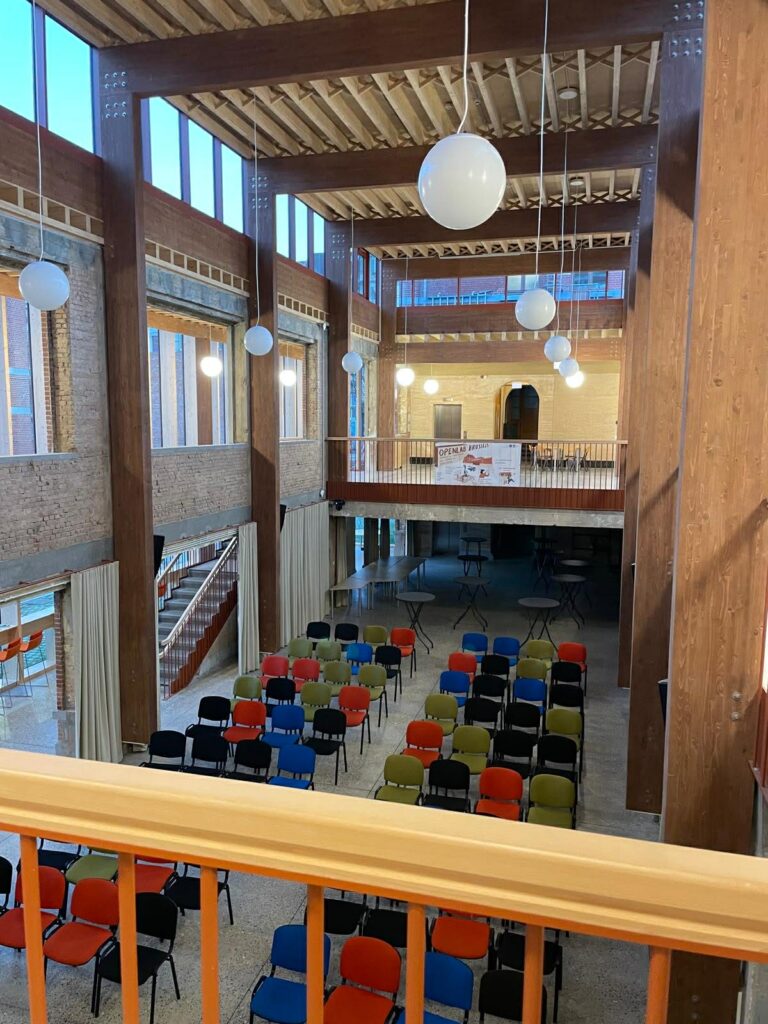
On 12 March 2026, the ScienceUs project gathered citizen science practitioners, policymakers, funders, researchers, and public actors in Brussels for the event “From Citizen Science to Decision-Making for Climate Change Adaptation.” Hosted at OpenLab Brussels, the event created a shared space to explore a central question for Europe’s climate future:
How can citizen science be better translated, valued, and used in decision-making for climate change adaptation?
Bringing together diverse perspectives from across the citizen science ecosystem, the event focused on the relationship between community-generated knowledge, public policy, and climate resilience. Through presentations, discussions, and interactive formats, participants reflected on both the opportunities and the challenges involved in strengthening the role of citizen science in inclusive policymaking.
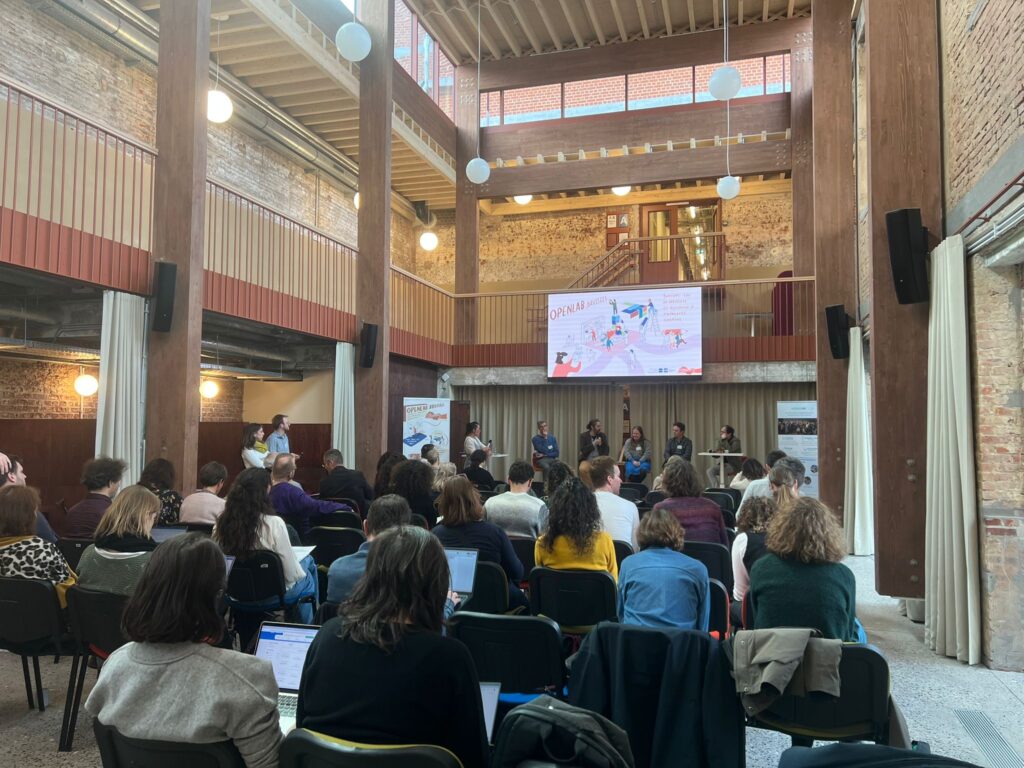
A day focused on dialogue, policy, and practice
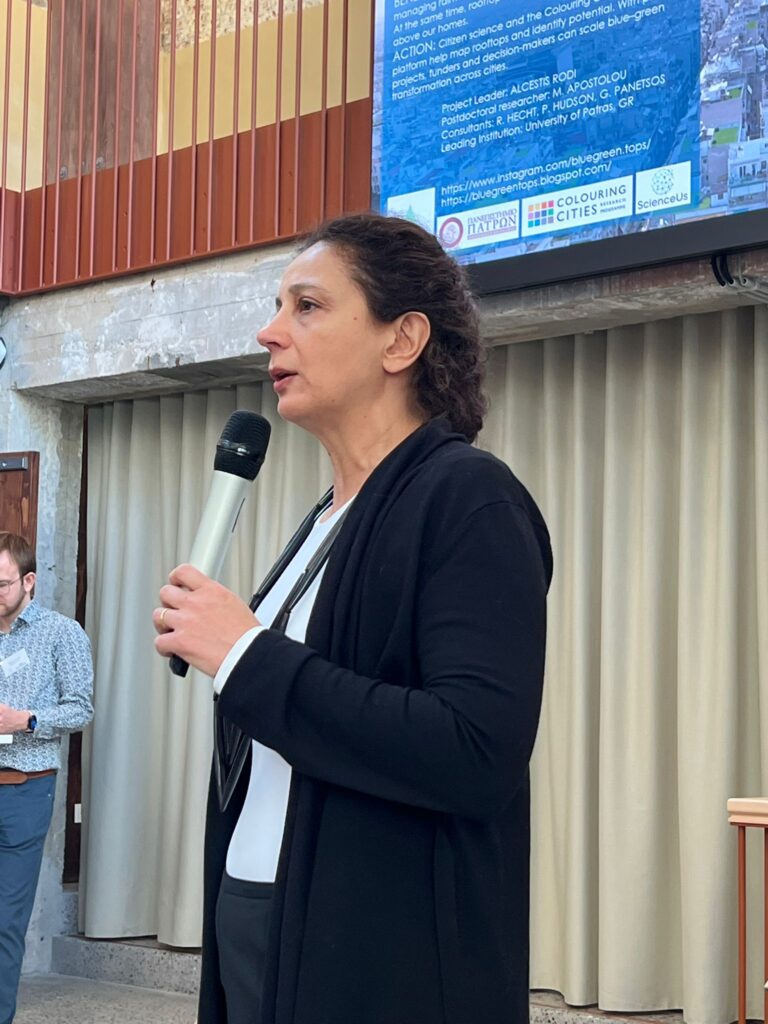
The day began with an introduction to the ScienceUs project and consortium, followed by presentations of the five ScienceUs projects, which offered participants a first look at the diversity of approaches, contexts, and challenges represented within the initiative.
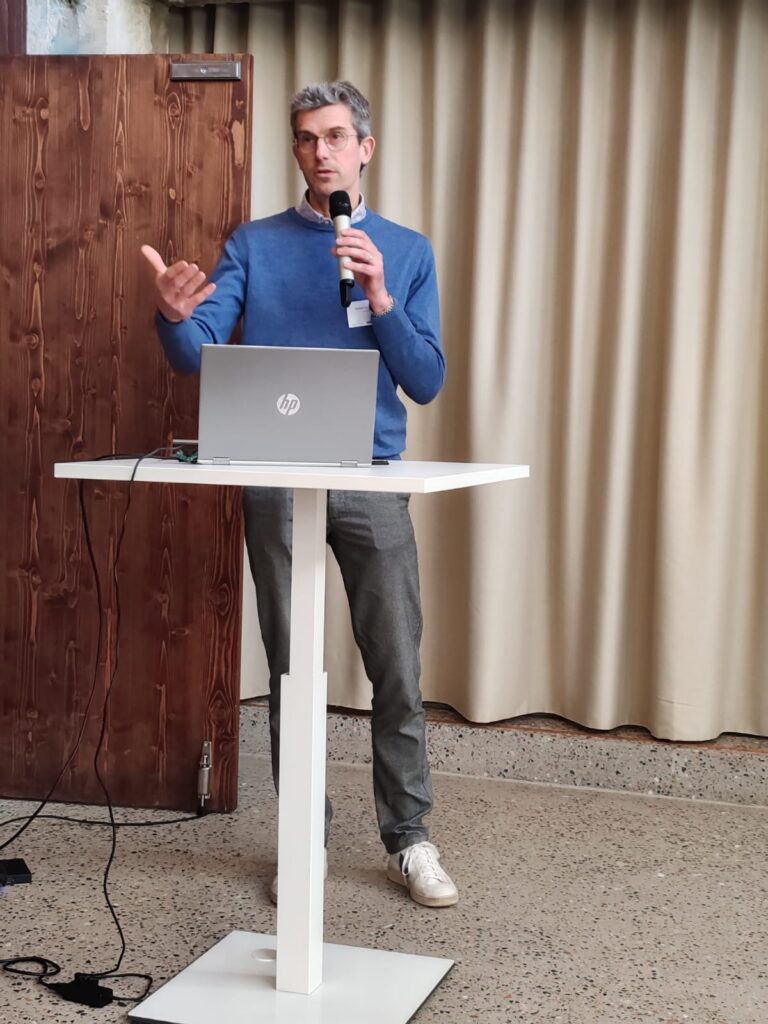
The programme then moved into broader reflections on the role of citizen science in adaptation policy. Speakers from funding and policy institutions shared perspectives on the evolving landscape of citizen science, the importance of recognition and support structures, and the need to create clearer pathways for evidence uptake in policy and planning.
Particular attention was given to the question of how citizen science results and data can be translated into inclusive policymaking processes. Contributions from national and local policy perspectives highlighted both the promise and the complexity of connecting citizen-generated knowledge with public decision-making.
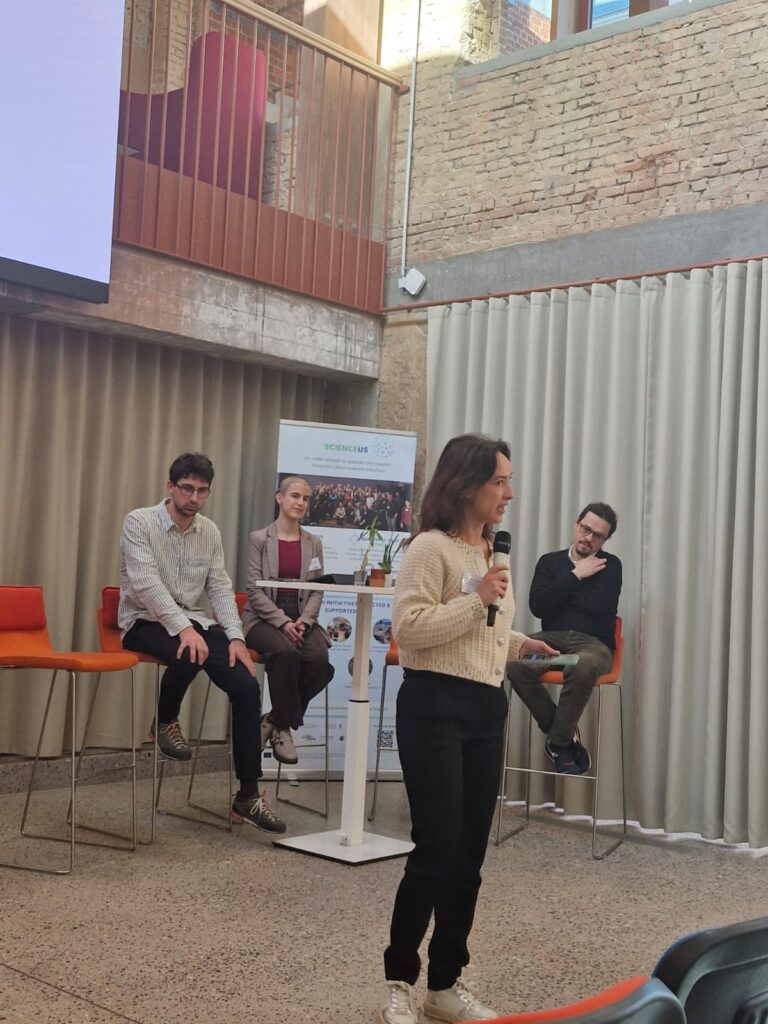
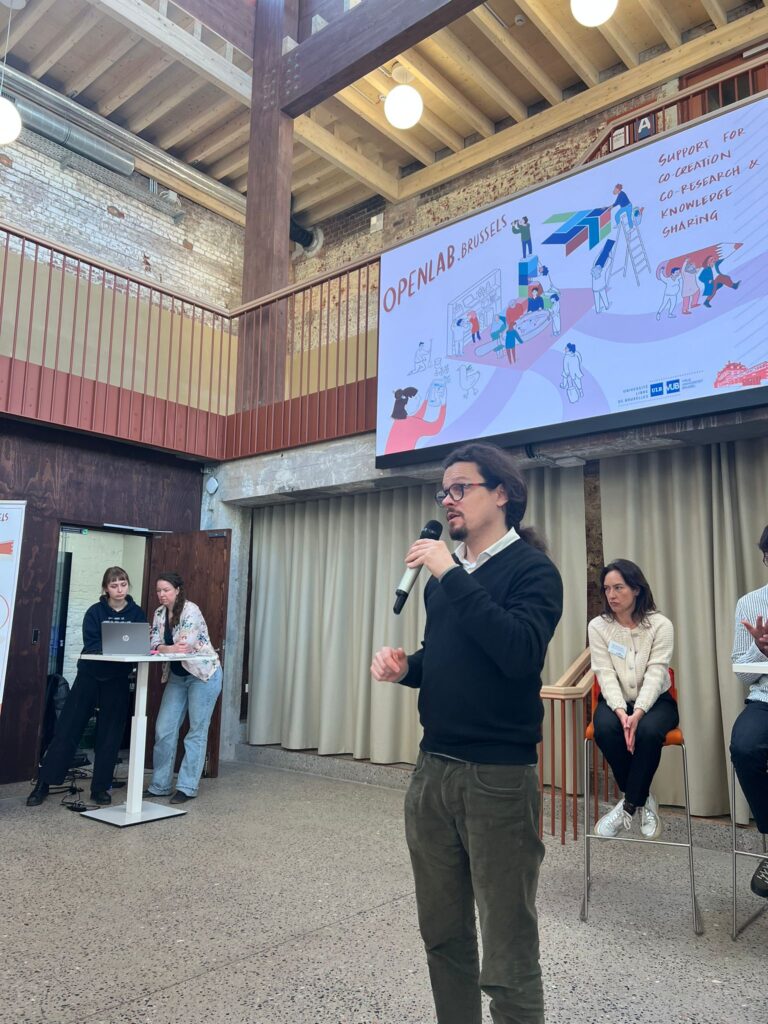
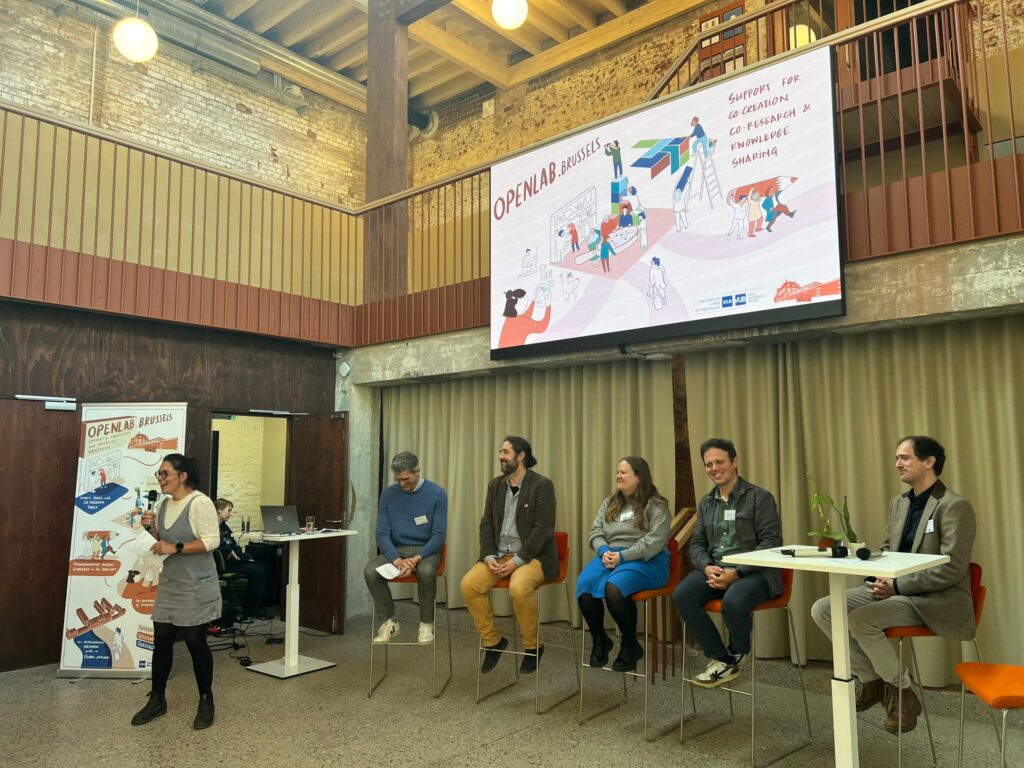
The interactive panel that followed reinforced the importance of trust, legitimacy, dialogue, and institutional openness in making this connection stronger and more sustainable.
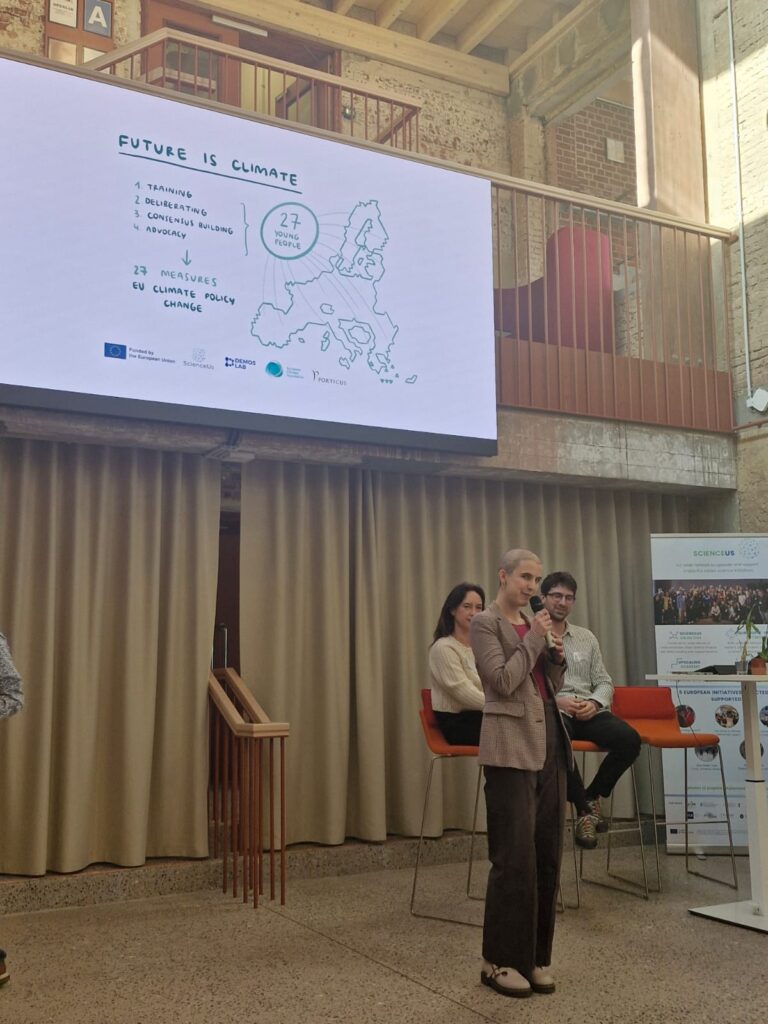



From exchange to ecosystem-building
One of the strongest messages emerging from the event was that citizen science does not operate in isolation. Participants repeatedly pointed to the value of seeing their work as part of a broader ecosystem of actors, methods, and shared ambitions.
For many, one of the most meaningful aspects of the Brussels gathering was the opportunity to move beyond online interaction and meet in person. The event created room not only for formal presentations, but also for the kind of exchange that helps projects test assumptions, compare realities, and gain new perspectives. Participants highlighted the value of discussing real project challenges, receiving concrete answers to concrete problems, and hearing insights from people working in different contexts.
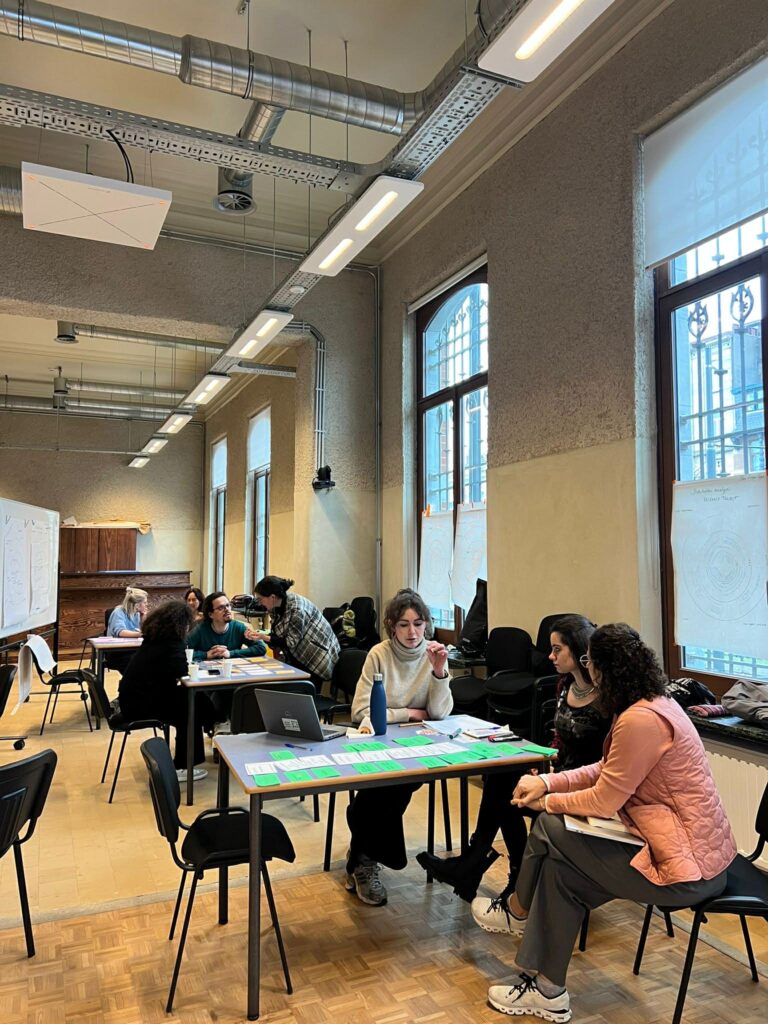
The afternoon sessions, including the World Café and the encounters with Brussels-based initiatives, added a practical and collaborative dimension to the event. These moments of peer exchange helped participants reflect on methodologies, upscaling pathways, and policy impact while also strengthening connections across the wider citizen science community.
Several participants emphasised that these exchanges brought new layers of understanding to their own projects. Others reflected on how important it was to hear external views, confront different perspectives, and recognise that citizen science often requires a shift in mindset. As one broader takeaway suggested, doing citizen science is not only about applying methods, but also about learning to see problems, participation, and knowledge production differently.
Continuing the conversation on 13 March
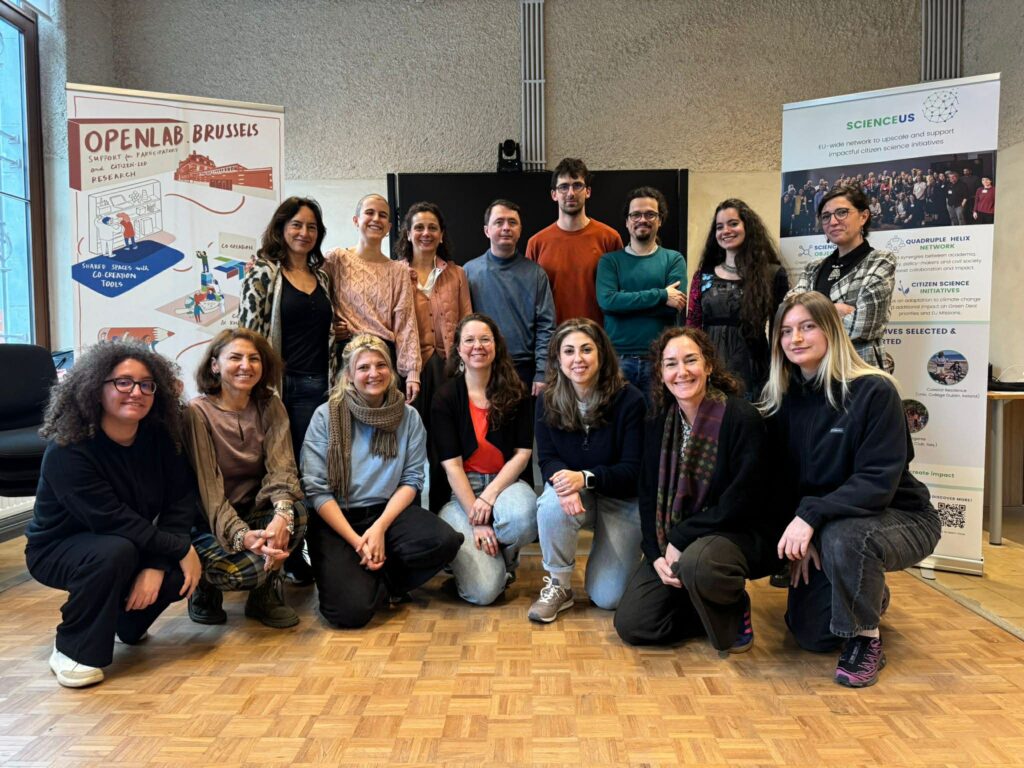
The exchange continued on 13 March 2026 with a dedicated workshop involving the five ScienceUs projects. This second day offered a more focused setting for peer learning, reflection, and collaboration, allowing participants to build directly on the discussions initiated during the public event.
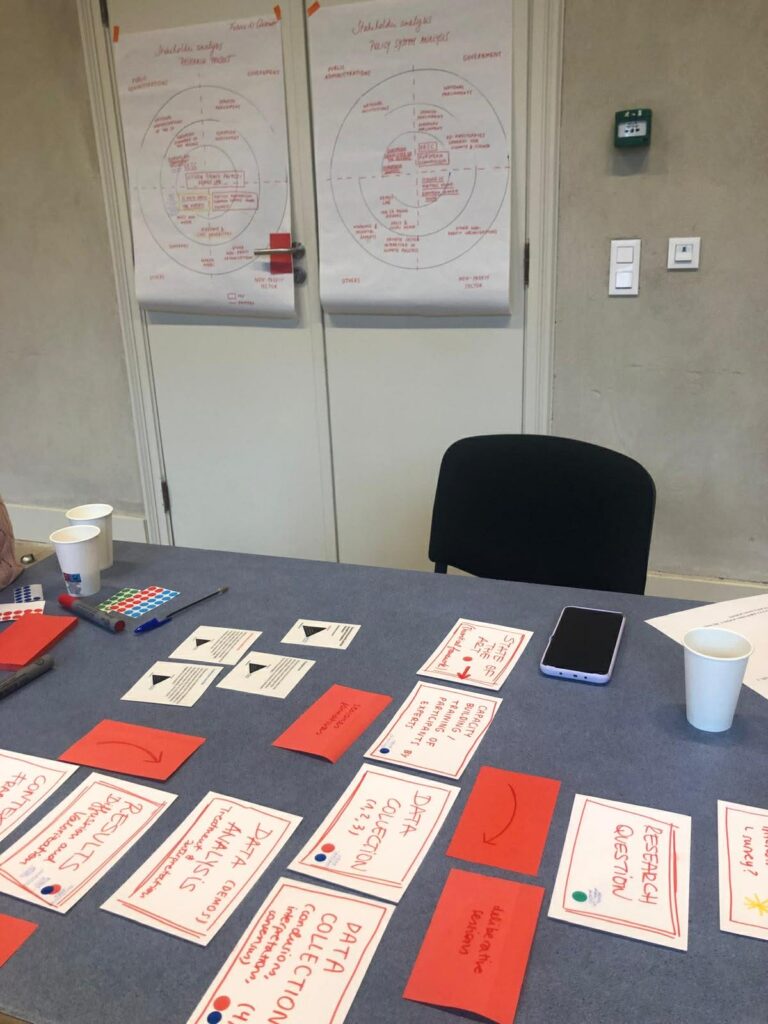
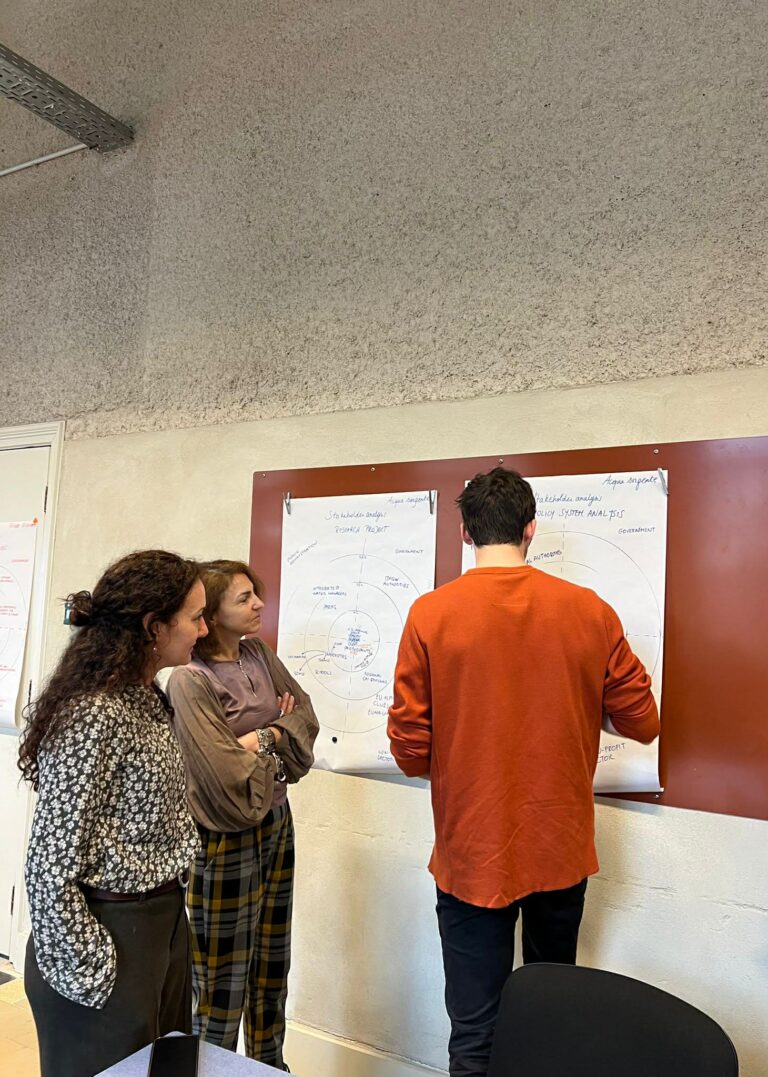
The workshop was particularly appreciated by participants. It provided the time and space to go deeper into project realities, discuss frameworks and challenges in a more open way, and explore how ideas from the first day could translate into future action.
This more focused format also surfaced useful reflections for the project moving forward. Participants appreciated the ambition and structure of the process, while also noting the importance of simplicity, preparation, and accessible supporting materials. Some pointed out that certain frameworks felt complex or heavy and could benefit from further simplification. Others suggested that having reading materials in advance would help participants engage even more effectively.



Looking ahead
The Brussels event confirmed that citizen science has an important role to play in climate change adaptation, but also that greater impact requires more than data alone.
It requires spaces where projects, institutions, and decision-makers can meet; Where knowledge can be translated across sectors; and where trust, recognition, and collaboration can be built over time.
By combining public dialogue on policy relevance with direct peer exchange among the five supported projects, these two days in Brussels created meaningful momentum for the next phase of the ScienceUs journey.

“Funded by the European Union. Views and opinions expressed are however those of the author(s) only and do not necessarily reflect those of the European Union or European Research Executive Agency. Neither the European Union nor the granting authority can be held responsible for them.”